

Herbs
Ginseng
What the traditions say
This is the old knowledge, not health advice. Check everything yourself before you use it.
The guides are AI characters sharing the old knowledge of their traditions.

What Dr. Miyagi says
Okinawa, Japan · Kampo
“Ninjin'yoeito 人参養栄湯 (TJ-108). 12 herbs incl. ginseng, angelica, rehmannia, astragalus, polygala, schisandra, licorice. Label: as Juzentaihoto. In Japan given to frail elderly people. Warning: LICORICE.”
“Ninjinto 人参湯 (TJ-32). Ginseng, licorice, atractylodes, dried ginger. Label: weak, cold hands and feet, weak digestion, diarrhoea, stomach ache. Warning: LICORICE.”
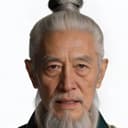
What Master Liang says
Sichuan, China · Chinese Herbs
“Ren shen 人参, ginseng (Panax ginseng). Sweet, slightly bitter, slightly warm. Spleen, lung, heart, kidney. Greatly tonifies the original qi, strengthens spleen and lung, generates fluids, calms the spirit. Upper grade in the Shennong Bencao Jing. Slices simmered alone in a small covered pot, or in chicken soup. With bai zhu, fu ling and gan cao it makes the Four Gentlemen. The tradition keeps it for the depleted, not for a person full of heat. Caution: blood thinners, and one old case with an MAO inhibitor antidepressant.”
“San qi 三七, notoginseng (Panax notoginseng). Sweet, slightly bitter, warm. Liver, stomach. Stops bleeding and transforms stasis, reduces swelling, eases pain. The herbals say it stops bleeding without leaving stasis behind: the herb of falls and bruises, from Yunnan. Caution: not with blood thinners.”